 PitBlend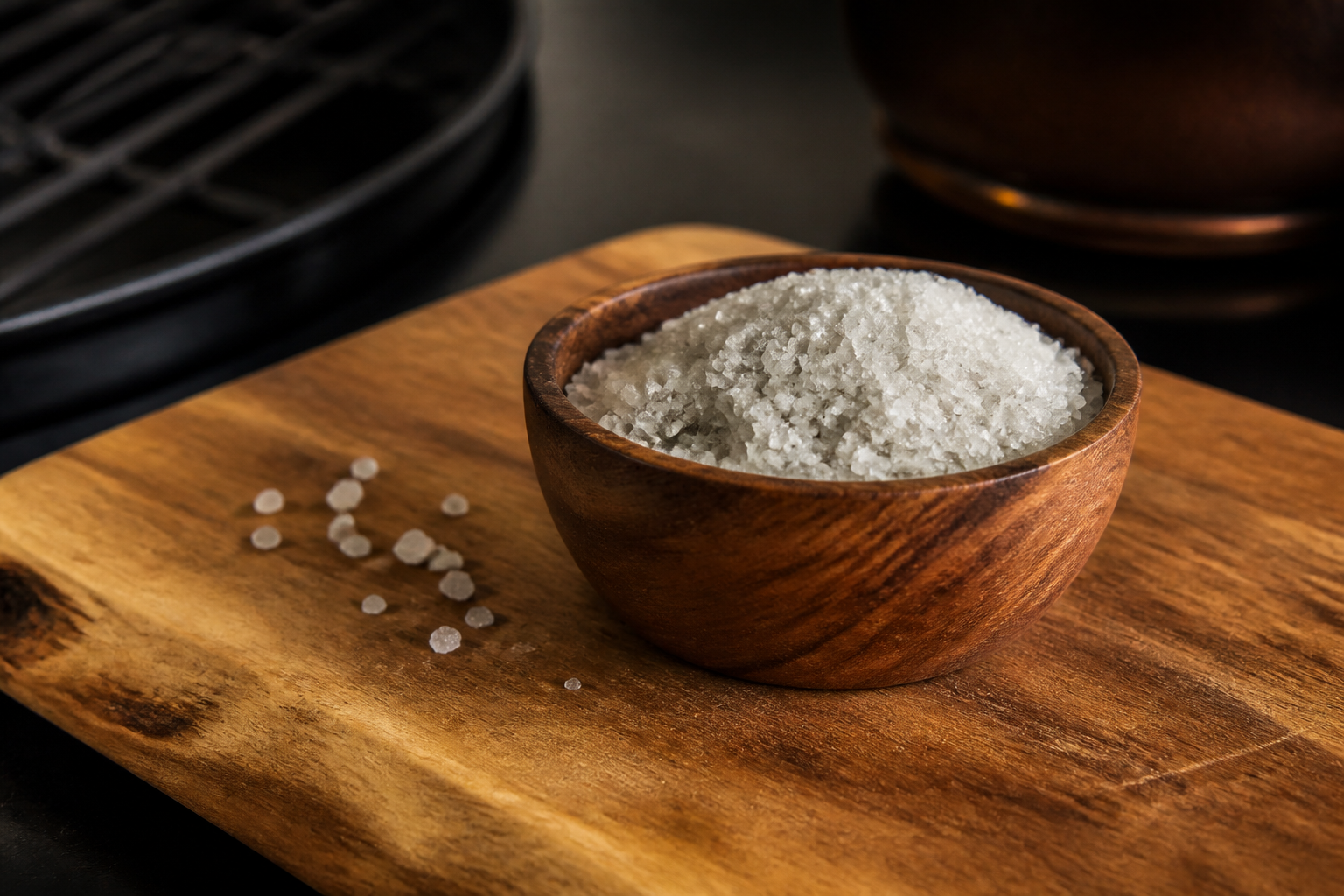
The Short Answer
Real, but limited. A tiny pinch of Celtic sea salt adds sodium to water. Sodium is an electrolyte, and electrolytes help the body maintain fluid balance, blood volume, and normal nerve and muscle function.
That does not mean everyone needs salt in every glass of water. Most people already get plenty of sodium from food, and too much sodium can work against heart health.
Why People Add Salt to Water
The idea is usually about electrolytes. When you sweat heavily, work outside, exercise for a long time, or lose fluids through illness, you lose both water and electrolytes. In those cases, replacing only plain water may not be enough.
A pinch of salt can add sodium, which may help water taste more satisfying and may support fluid replacement when sodium losses are meaningful.
What About Putting a Pinch Under Your Tongue?
Some people put a few crystals of Celtic sea salt under the tongue before drinking water. The idea is that the salt dissolves quickly in saliva, tastes strong right away, and may make you more aware of thirst.
There is a real medical concept called sublingual absorption, where certain medicines are designed to be held under the tongue for faster absorption. Salt crystals are not the same thing as a sublingual medication. For everyday hydration, the practical benefit is still the same basic one: you are adding a small amount of sodium.
If you like the routine, keep it tiny and follow it with water. Do not use a salty taste under the tongue as proof that your body needed minerals, and do not keep adding more because it feels like a wellness hack.
Where the Myth Starts
The overhyped version says Celtic sea salt water deeply hydrates you, detoxes the body, fixes mineral deficiencies, or is automatically healthier than regular water. That is where the claim gets shaky.
Celtic sea salt still contains sodium. It may have trace minerals, but the amount in a small pinch is not a meaningful mineral supplement. If the goal is magnesium, potassium, calcium, or a broad mineral boost, a normal diet matters more than a few salt crystals in water.
When It May Be Useful
A small pinch of salt in water may be reasonable when:
- You are sweating heavily in heat
- You are doing a long workout or outdoor labor
- You are drinking a lot of water and also need electrolytes
- You want a simple homemade electrolyte-style drink with food or after activity
It is still only one piece of the picture. Potassium, food intake, total fluid intake, and the amount you sweat all matter.
When to Skip It
Skip the salt-water habit or ask a clinician first if you have high blood pressure, kidney disease, heart failure, are on a sodium-restricted diet, or take medication that affects fluid or electrolyte balance.
People with normal sodium intake generally do not need to add salt to everyday drinking water. If you are already eating salty foods, adding salted water may simply push sodium higher.
How Much Is a Pinch?
If you try it, keep it small. A pinch should taste barely mineral, not salty like soup or brine.
Start with a few coarse crystals in a large glass of water. If it tastes clearly salty, it is probably more than you need for casual sipping.
Practical take: Celtic sea salt in water is not fake, but the benefit is mostly about replacing sodium when you have actually lost sodium. It is not a daily requirement for most people.
What About BBQ and Cooking?
For cooking, Celtic sea salt works like other salts: it adds salinity, sharpens flavor, and helps other seasonings taste more complete. In a rub, measure it by weight when possible because coarse crystals can vary a lot by spoon volume.
You can view the PitBlend ingredient profile here: Celtic Sea Salt.
Bottom Line
A pinch of Celtic sea salt in water can be useful after sweat-heavy activity or when you need a little sodium with fluids. It is not a miracle drink, and it is not automatically better than getting electrolytes through food or a balanced electrolyte drink.
If you are watching sodium for blood pressure, kidney, or heart reasons, skip the trend unless your healthcare professional tells you otherwise.
Sources
- CDC: Sodium, potassium, and health
- Mayo Clinic: Sodium and health
- American Heart Association: Sodium and salt
- Merck Manual: Sublingual and buccal absorption